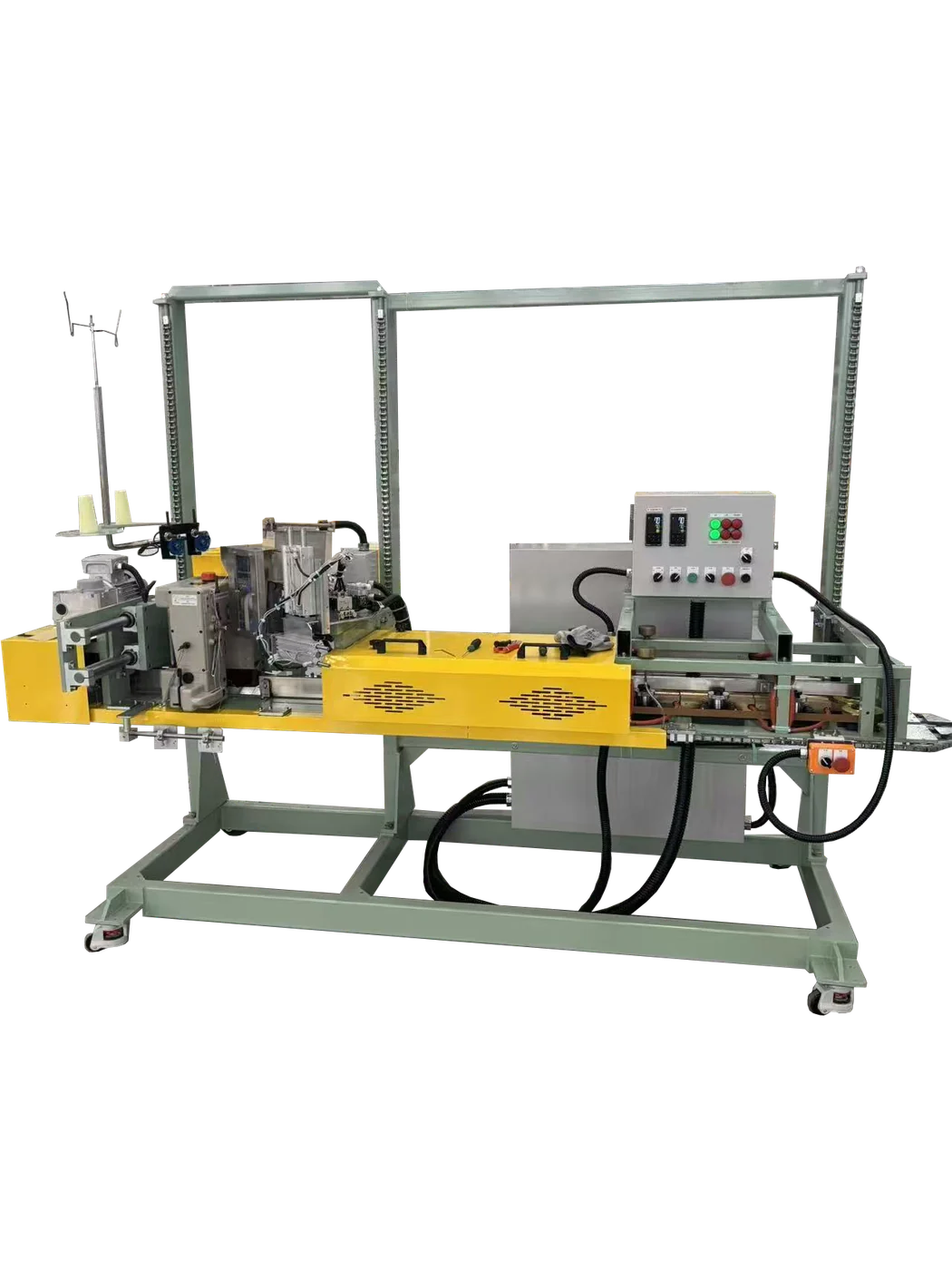
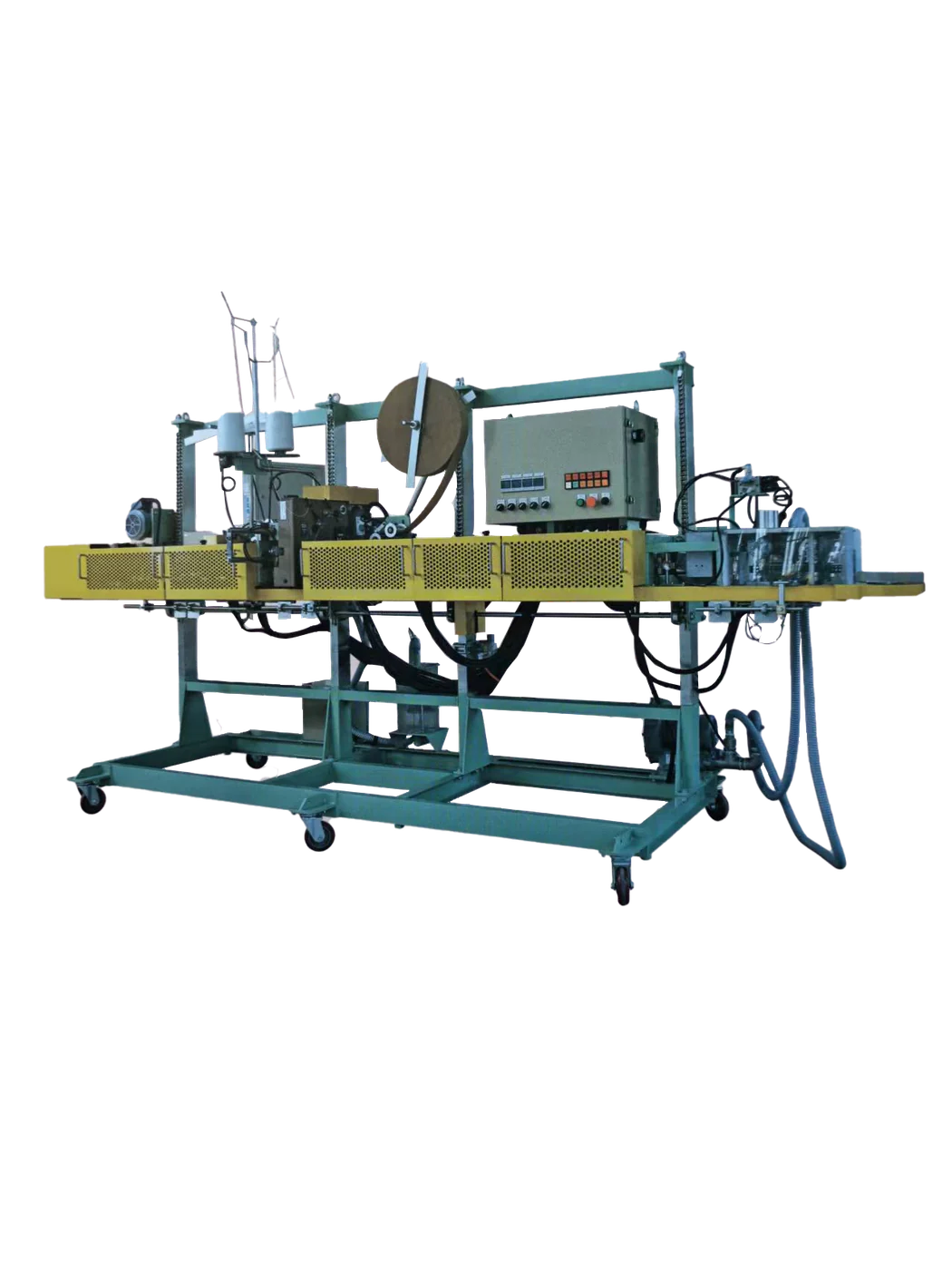
Identify the liner
Provide the exact film material and thickness; visual appearance alone is not enough.
Material & process guide
In a lined sack, the product-contact liner and the supporting outer bag perform different jobs. Confirm the liner material and seal test first, then define how the outer paper or woven bag will be folded or sewn.
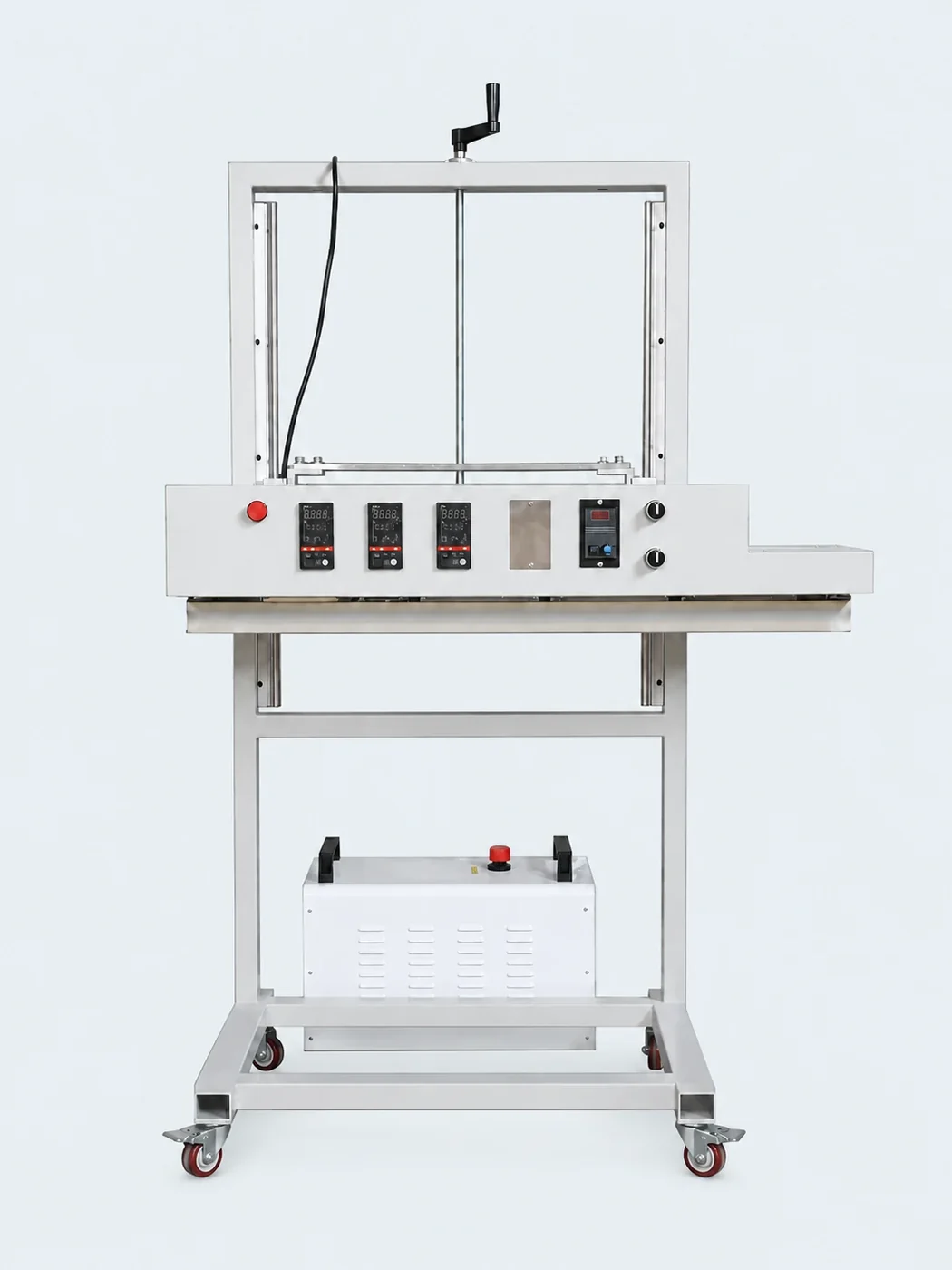
Liner resin, thickness, layers, gusset and contamination at the seal
Required seal width and whether the outer bag is sewn afterwards
Temperature window, cooling, conveyor height and target output
In a lined sack, the product-contact liner and the supporting outer bag perform different jobs. Confirm the liner material and seal test first, then define how the outer paper or woven bag will be folded or sewn. Selection guidance, not a performance guarantee.
Provide the exact film material and thickness; visual appearance alone is not enough.
Use real filled-bag conditions to check cleanliness, seal continuity and cooling.
After the liner route is confirmed, define folding, sewing, tape and thread trimming for the support bag.
Selection guidance, not a performance guarantee.
Selection guidance, not a performance guarantee.
Selection guidance, not a performance guarantee.
When the liner provides the product-contact barrier, its seal is normally defined and tested separately before the outer bag is finished. Confirm the exact sequence with the sample.
No. Material, thickness, layers, speed and cooling affect the usable window, so the setting must be confirmed by testing.
Cooling helps the heated seal stabilize before it is pulled, folded or moved to the next operation.
Wrinkles, product contamination, uneven presentation, material variation and unsuitable heat or speed settings can affect consistency.
Send the bag material, layers, width, filled weight, target output, voltage and a photo of the required finished closure.